The Beginner Runner's Equipment Guide: Science-Backed Gear for Healthier Feet and Faster Recovery
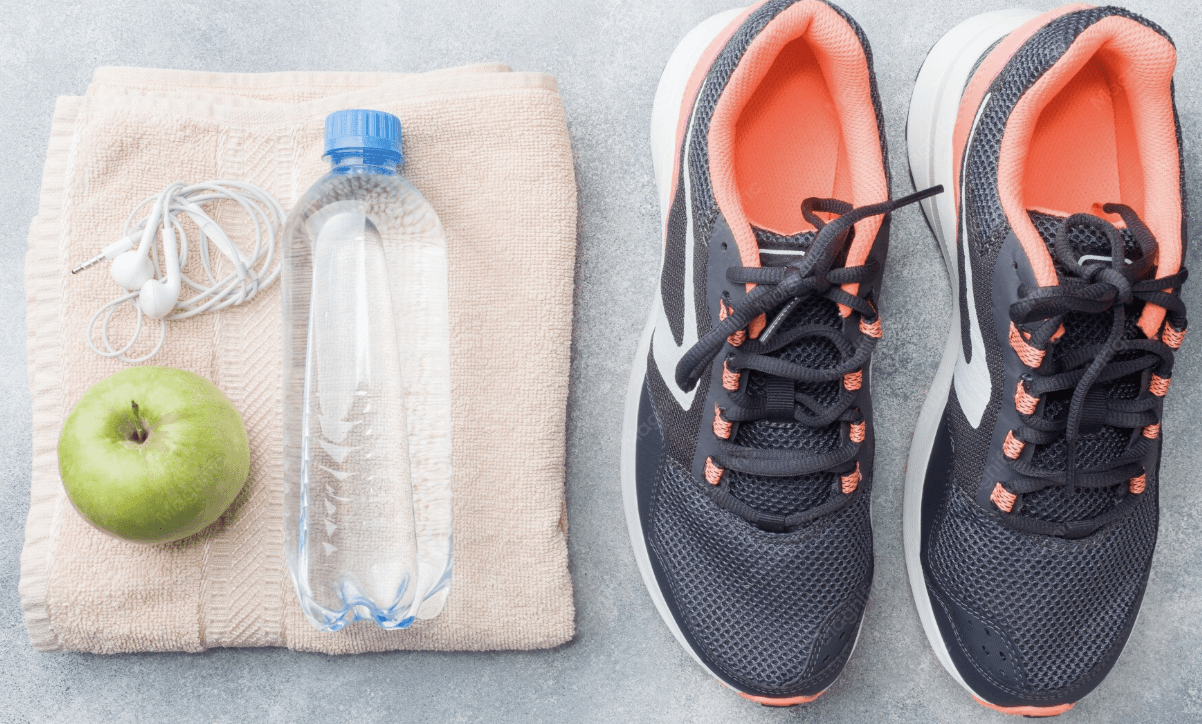
Getting into running is exciting, but it's also a crash course in what your body wasn't ready for. Two of the most common obstacles new runners face are blisters and muscle soreness. At least that is exactly what I experienced and what other more experienced Endurers have found too. The good news: both are largely preventable and manageable with the right gear. I know because I’ve witnessed it myself. Here's what the science says.
Part 1: Avoiding Blisters
Why Blisters Form (The Science)
A blister is not just bad luck, it's a predictable biomechanical event. Blisters are clinically termed friction blisters because friction is the primary driver. At each foot strike, shear forces are generated between your skin, sock, and shoe. The outer skin layer (epidermis) moves at a different rate than the inner layer (dermis), and this out-of-sync movement tears tissue, creating a fluid-filled pocket. (Source TrainRight)
Two factors dramatically accelerate blister formation:
Heat: Research has shown that an increase in skin temperature of just 4°C accelerates blister formation by 50%.(Source TrainRight)
Moisture: Wet skin has significantly higher friction coefficients than dry skin, and moisture also weakens the outer skin layer, making it far more prone to injury.(Source TrainRight)
The Essential Anti-Blister Gear
On top of the Running socks (Merino wool or synthetic fibers (polyester/nylon)) and the well fitted Running shoes (Comfort over Style), there are some anti-friction products available.
For high-risk zones (heels, toes, arches), topical lubricants like petroleum jelly or specialized anti-friction sticks create a protective barrier that reduces skin-to-skin and skin-to-fabric friction. Research supports a multimodal prevention approach: moisture-wicking textiles + topical lubricants + adhesive protection at known hotspots for maximum effectiveness. (Source PremierScience)
Apply anti-chafe balm or Body Glide to hotspots before every run.
Use Kinesiology tape or moleskin on known problem areas for added protection.
You can find these products at your local sports store or pharmacy.
This is particularly useful to set up ahead of long runs you plan. Your feet will be thankful you acted proactively to avoid the pain and discomfort from blisters.
Part 2: Post-Run Recovery Equipment
What Happens to Your Body After a Run
Running creates microscopic tears in muscle fibers, this is a normal and necessary part of adaptation. The soreness you feel 24–48 hours later is called Delayed Onset Muscle Soreness (DOMS). The goal of recovery gear is to reduce inflammation, improve circulation, and allow your body to repair faster so you can train consistently without injury.
The Science-Backed Recovery Toolkit
1. Foam Roller
Foam rolling is one of the most accessible and evidence-backed recovery tools for runners. A meta-analysis published in Frontiers in Physiology found that foam rolling used as a recovery tool produces slightly reduced decrements in sprint and strength performance and a small but meaningful reduction in muscle soreness (DOMS). A dedicated study in trained distance runners confirmed that foam rolling significantly reduced active muscle soreness 48 hours after a hard run compared to control conditions (Source 1, Source 2)
Key areas to target post-run:
Calves and Achilles
IT band and outer quads
Hip flexors and glutes
Hamstrings
Technique tip: Roll slowly (2–3 cm per second), pausing 10–30 seconds on tender spots. 5–10 minutes is sufficient for meaningful benefit.
Get your hands on one at your local sports shop, pharmacy, and after your next visit to your physiotherapist. You’ll love the feeling of relieving soreness with the rolling, and you’ll be back on your feet ready for the next run !
2. Recovery Footwear (Slides/Sandals)
This is an underrated recommendation, that I wish I had known sooner because it Immediately after a run, transitioning to supportive, cushioned recovery sandals reduces compressive load on the feet and plantar fascia. This is a low-cost, high-impact habit for beginners. Whilst I used to have regular swim sandals, I switched to regular Crocs and never experienced the same pains in either my muscles or bones. You can get yourself regular Crocs, or get the recovery slides from another brand like Hoka Ora Recovery Slides.
3. A Combination Approach is Most Effective
Research consistently shows the best outcomes come from combining strategies. For a beginning runner, a practical post-run protocol looks like this: (Source Run Ottawa)
Cool down – 5–10 minutes easy walking immediately after your run
Foam roll – 5–10 minutes targeting worked muscle groups
Refuel – Protein + carbohydrates within 30–60 minutes to kickstart muscle repair
Sleep – The most underrated recovery tool; this is when muscles actually rebuild
Quick-Reference Gear Checklist
Goal | Essential Gear | Science-Backed Benefit |
Blister prevention | Moisture-wicking running socks (merino or synthetic) | Reduces skin friction; strongest evidence-based strategy trainright |
Blister prevention | Properly fitted running shoes | Eliminates pressure points and sliding shear forces runningwarehouse |
Blister prevention | Anti-friction balm / KT tape | Creates protective barrier on hotspots nike+1 |
Post-run recovery | Foam roller | Reduces muscle soreness at 48h post-run pmc.ncbi.nlm.nih+1 |
Post-run recovery | Recovery sandals | Offloads feet and plantar fascia post-effort |
The core message for any new runner: your gear is part of your training. Prevention and recovery tools aren't optional add-ons, they are what allow you to run again tomorrow, and the day after that. Start simple, stay consistent, and let the science guide your choices.
This is the second article of practical posts from Les Endurants. Each one comes directly from a real conversation on a real run.
Have recommendations when it comes to anti blisters? Products that have worked like a charm for you? What’s your muscle recovery process and products used ?
Ready to run with us? Register for the next run on Luma · Follow the club on Strava · Subscribe to the Les Endurants newsletter · Questions? Write to us at LesEndurantsBlog@proactionentrepreneur.com
Les Endurants is a weekly running community for entrepreneurs, intrapreneurs, and anyone who wants to move and build real connections. An initiative of ProAction Entrepreneur, led by Edouard Ferron-Mallett.
Community Events
Quick Links
Contact
+(514) 476-1088
getsupport@proactionentrepreneur.com
Montreal, QC Canada
© 2026 ProAction Entrepreneur. all rights reserved